


Top technologies powering software-defined vehicles: AI, Cloud, Edge, Middleware and Connectivity
Software-defined vehicles are often talked about as the future of automotive. In reality, they are already here. Vehicles today don’t stop evolving once they leave the factory. Software keeps changing. Features improve. Vehicle diagnostics get smarter. Systems adapt based on how vehicles are actually used on the road.
What makes this possible isn’t one shiny technology. It’s a group of technologies working together quietly in the background. AI, cloud platforms, edge intelligence, middleware, and connectivity each handle a specific part of the problem. When they’re designed to work together, everything feels smooth. When they’re not, even good ideas struggle to scale.
Let’s talk through how these technologies really power software-defined vehicles, without the hype.

Software-Defined Vehicles Are Really About Coordination
At its core, a software-defined vehicle is about coordination. Software is no longer fixed. It evolves over time. New capabilities are added, bugs are fixed, and behavior improves as vehicles operate in real-world conditions. For that to happen, vehicles and backend systems have to stay in sync. Vehicles constantly generate telemetry, vehicle diagnostics, events, and software state information. The cloud sends back updates, policies, and insights. When this back-and-forth works well, teams can see what’s happening and act quickly. When it doesn’t, problems become harder to diagnose and slower to fix.
This is why software-defined vehicles rely on a layered technology foundation rather than isolated tools.
AI Helps Vehicles Understand What Matters
AI is an important part of the software-defined vehicle story, but it works best when expectations are realistic. AI doesn’t replace engineering. It builds on it. Inside the vehicle, AI can notice when something looks off, decide whether it’s urgent, and determine if more data should be shared. In the cloud, AI looks across entire fleets, spots patterns that a single vehicle can’t see, and gradually improves the accuracy of vehicle diagnostics.
What often gets overlooked is that AI needs context. It needs to know what software is running, how the vehicle is configured, and what “normal” looks like. Without that, AI becomes noisy instead of helpful.
Cloud Platforms Keep Software-Defined Vehicles Manageable at Scale
Cloud platforms can make software-defined vehicles practical at scale. They handle vehicle onboarding, manage identities, secure communication, and process large volumes of data. Instead of building custom infrastructure for every new vehicle program, a well designed cloud platform means that teams can rely on cloud services to scale naturally from one model to a family of models, and from hundreds to millions of vehicles over time. Monitoring, analytics, and orchestration happen in one place, making systems easier to operate and maintain.
The cloud also plays a big role in learning. Real-world vehicle data feeds analytics and AI models, generating improvements that can be pushed back to vehicles through OTA software updates.
Edge Intelligence Keeps Vehicles Grounded in Reality
As powerful as the cloud is, vehicles can’t send all of their data to the cloud for every decision. Connectivity is expensive, isn’t always perfect, and some actions need to happen immediately. In-Vehicle data aggregation helps by selecting which data to send and not send . Edge intelligence helps by deciding when more data needs to be sent. Instead of flooding the cloud with raw data, the vehicle can focus on anomalies, trends, and summaries, while anomalous data is recognised and escalated for cloud based analysis. That keeps bandwidth under control and makes cloud analytics far more effective.
Edge systems also allow vehicles to respond quickly. Vehicle diagnostics, safety responses, and local adjustments can be implemented right away, even with limited connectivity.
Middleware Quietly Keeps Everything from Breaking
Middleware rarely gets attention, but it’s one of the reasons software-defined vehicles don’t fall apart as they grow more complex. It sits between applications, hardware, and cloud services, making sure everything can communicate consistently. It hides hardware differences and helps software evolve without breaking dependencies.
As vehicles receive OTA software updates over time, middleware helps keep software versions and configurations aligned. That context is critical. Without it, diagnostics and analytics lose meaning very quickly.
Connectivity Is About Consistency, Not Perfection
Connectivity often gets reduced to “is the vehicle online or not?” In practice, it’s more about consistency than perfection. Modern software-defined vehicle connectivity assumes interruptions will happen. Data can be stored locally and synced later. Secure authentication, encryption, and access controls ensure that only trusted systems exchange data and commands.
Good connectivity doesn’t eliminate problems. It makes sure systems behave predictably when problems occur.
OTA Software Updates Turn Learning into Improvement
OTA software updates are what turn software-defined vehicles into living systems. OTA allows software, configurations, vehicle diagnostics, and even AI logic to improve without physical intervention. For OTA to work well, everything has to stay aligned. Vehicles need to report what software they’re running. Updates need to be targeted correctly. Outcomes need to be verified and recorded.
When OTA pipelines include techniques like delta compression, updates become smaller, faster, and more efficient, while still maintaining integrity and version awareness.
How Everything Fits Together in Practice
None of these technologies operate in isolation. Edge intelligence decides what matters. Connectivity moves that information securely. Cloud platforms learn and coordinate at scale. Middleware keeps systems aligned. OTA software updates deliver improvements back to vehicles.
When this stack is designed intentionally, AI defined vehicles stop behaving like static products and become adaptable platforms.
Building Software-Defined Vehicles That Are Ready for What’s Next
Software complexity isn’t slowing down. Fleets are getting larger. Customer expectations keep rising. Regulations continue to evolve. A strong software-defined vehicle foundation enables adaptation without constant redesign. The goal isn’t novelty. It’s reliability, scalability, and confidence. When data becomes decisions and connectivity becomes action, software-defined vehicles deliver real, lasting value.
Explore how Excelfore enables secure connectivity, intelligent data movement, and scalable OTA software updates with delta compression for modern automotive platforms. Connect with our team to learn more.
FAQs:
Q1: What technologies are essential for software-defined vehicles?
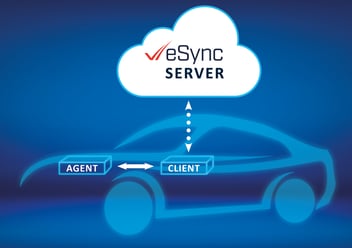
Software-defined vehicles depend on OTA updates, diagnostics, telemetry, cloud connectivity, cybersecurity, and deterministic networking. Excelfore supports these requirements through eSync for OTA and diagnostics workflows, eDatX for vehicle data management, and TSN technologies for next-generation in-vehicle communication architectures.


Leave a Comment